
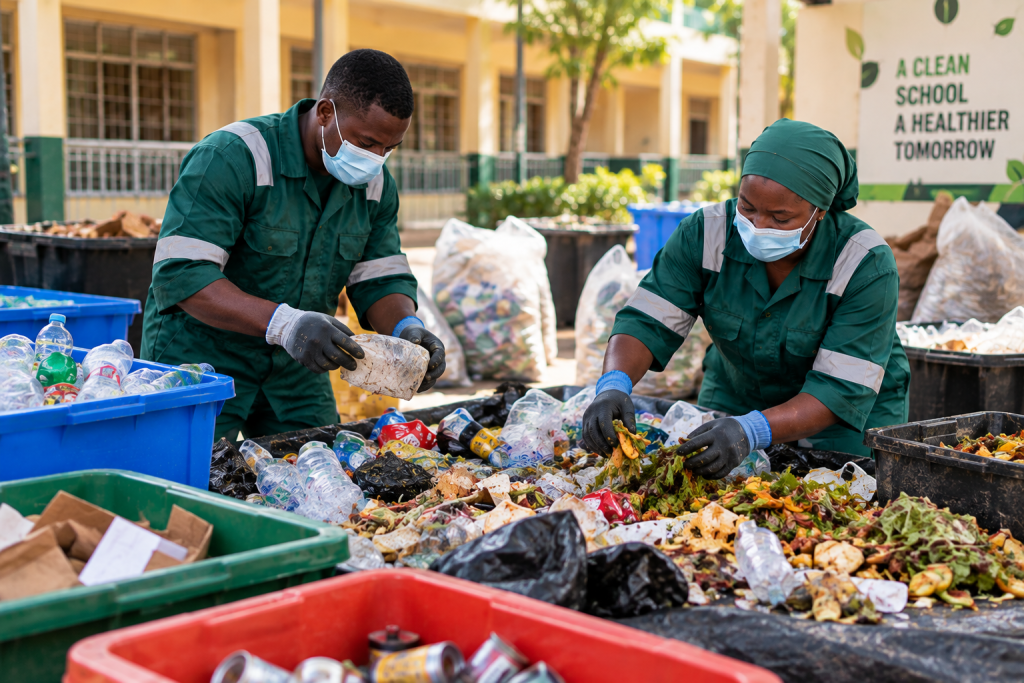
Waste characterisation in Nigeria is an important starting point for organisations looking to improve waste management, reduce environmental risks and make better decisions about waste collection, segregation and disposal.
Walk into most schools, markets, estates or commercial premises in Lagos, and everything might appear to be in order. Waste bins are available, the surroundings are clean, and waste collectors visit regularly.
But does a clean environment necessarily mean waste is being managed effectively?
Not always.
Effective waste management goes beyond keeping premises clean. It requires understanding the types of waste generated, where they come from, how much is produced and how each category should be handled.
This is where waste characterisation becomes essential.
For organisations seeking to improve their waste management practices, understanding their waste streams provides a stronger foundation for safer handling, better resource utilisation and more informed decisions.
What Is Waste Characterisation?
Waste characterisation is the process of identifying, classifying and, where appropriate, measuring the different types of waste generated within a particular environment.
It helps organisations understand:
- What types of waste they generate.
- Where the waste originates.
- The quantities of different waste materials produced.
- Which materials they can recycle or recover.
- Which waste streams require special handling.
- Where they can improve waste segregation.
For example, a school may generate food waste from its canteen, paper and plastic packaging from classrooms, and laboratory or maintenance-related waste from specialised facilities.
Although these materials originate from the same premises, they do not necessarily require the same storage, handling or disposal methods.
Without proper waste characterisation, an organisation may invest in waste bins and collection services without addressing the actual requirements of its waste streams.
For facilities undertaking waste characterisation in Nigeria, the process provides essential information for planning collection, segregation and disposal arrangements that reflect the waste they actually generate.
Waste Characterisation vs Waste Audit: What Is the Difference?
Although closely related, waste characterisation and waste auditing serve different purposes.
Waste characterisation focuses on identifying what an organisation generates, where it originates and the quantities involved. A waste audit examines the broader waste management system, including how an organisation generates, separates, stores, collects, transports and disposes of its waste.
Characterisation therefore provides valuable information that supports a more meaningful waste audit.
For instance, an organisation may have an established collection schedule and designated waste storage areas. However, without understanding the materials entering those systems, it may struggle to determine whether its existing arrangements are appropriate.
Both processes are valuable. Nevertheless, understanding the waste itself provides a stronger foundation for assessing how an organisation manages it.
Why Waste Characterisation Is Important for Organisations in Nigeria
Waste characterisation in Nigeria is particularly relevant to schools, estates, commercial premises and industrial facilities that generate different waste streams across multiple departments or activities.
By understanding these waste streams, organisations can improve their handling procedures, identify potential risks and make more informed waste management decisions.
1. It Supports More Effective Waste Segregation
Waste segregation at source involves separating different waste materials at the point where they originate.
However, effective segregation requires organisations to understand which waste categories exist within their facilities.
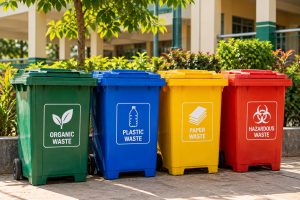
A commercial building may generate paper, plastic packaging, food waste and general refuse. Meanwhile, a workshop within the same premises may produce oily rags, contaminated containers and other materials requiring specialised handling.
Placing all these materials in one general waste bin can complicate recycling, recovery and safe disposal.
As a result, waste characterisation helps organisations design segregation systems around their actual waste streams rather than relying on generic arrangements.
2. It Helps Identify Hazardous Waste
One of the most important benefits of waste characterisation is the identification of potentially hazardous waste.
Depending on the activities taking place at a facility, these materials may include:
- Batteries and certain electronic waste.
- Laboratory chemicals and chemical residues.
- Oil-contaminated materials.
- Certain clinical and healthcare waste.
- Containers contaminated with hazardous substances.
These materials may require specific storage, handling, transportation, treatment or disposal procedures.
When organisations mix hazardous waste with general refuse, they can create environmental, health and operational risks.
Therefore, identifying these waste streams early helps organisations establish appropriate handling procedures and assess applicable regulatory requirements.
In Nigeria, organisations should also consider relevant environmental regulations when planning waste handling and disposal. The National Environmental Standards and Regulations Enforcement Agency (NESREA) provides information on environmental regulations, including requirements relating to waste management.
3. It Can Improve Waste Management Costs
Waste management involves several costs, including collection, transportation, treatment and disposal.
Without adequate information about waste generation, organisations may spend money on collection arrangements that do not reflect their actual needs.
Waste characterisation can reveal opportunities to:
- Separate recyclable materials from general waste.
- Reduce unnecessary mixing of waste streams.
- Review collection frequency based on waste quantities.
- Identify departments or activities generating significant waste.
- Improve waste minimisation practices.
For example, an organisation paying to dispose of large volumes of mixed waste may discover that a significant portion consists of recyclable paper, cardboard or plastic.
Separating these materials, where practical and supported by appropriate recovery arrangements, may help improve resource efficiency and reduce certain waste management costs.
Furthermore, the United Nations Environment Programme’s Global Waste Management Outlook 2024 highlights the economic and environmental importance of waste prevention, resource recovery and improved waste management practices.
These principles reinforce the value of understanding waste streams before making decisions about collection and disposal.
4. It Supports Better Waste Management Planning
Organisations should base their waste management plans on the materials they generate and the activities taking place within their facilities.
Consider two organisations: an office building and an industrial workshop.
Both may require waste collection services. However, their waste streams, operational risks and handling requirements can differ significantly.
Waste characterisation provides information for determining appropriate bin locations, container types, collection schedules, handling procedures and disposal arrangements.
Instead of asking only, “How many waste bins do we need?”, organisations can begin by asking:
What waste do we generate, where does it originate, and how should we manage each category?
That is a more useful starting point.
Why Waste Management Systems Must Consider Human Behaviour
Waste management is not only about materials and infrastructure. It is also about how people use a space.
An organisation can provide colour-coded bins and detailed instructions yet still struggle with waste segregation if collection points are inconvenient or employees do not understand the system.
For example, placing a recycling bin in an area with little foot traffic may limit its usefulness. Similarly, expecting kitchen staff to separate organic waste without accessible collection containers can make the process unnecessarily difficult.
An effective waste assessment should therefore consider:
- Where people work, eat and gather.
- Where deliveries arrive and workers unpack materials.
- How waste moves through the premises.
- Who handles waste between generation and final collection.
- Whether waste collection points are convenient and accessible.
In addition, organisations must consider how employees, visitors and waste handlers interact with the system daily. When waste management arrangements reflect everyday activities, people can understand and maintain them more easily.
Consequently, a practical waste management system must account for behaviour, movement, access and routine, not simply the materials requiring disposal.
Lessons From Jawura’s Community Environmental Initiatives
At Jawura Environmental and Laboratory Services, our community environmental initiatives have reinforced the importance of designing waste management systems around people’s activities.
During our 2026 World Environment Day activities, we engaged traders, drivers and commuters through environmental awareness programmes in markets and motor parks.
We also supported school-based environmental initiatives, including Eco Hut projects, and distributed waste bins to encourage responsible waste disposal.
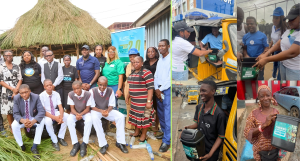
These activities highlighted an important practical lesson: access to suitable waste disposal facilities and environmental awareness both matter.
People may dispose of waste improperly because suitable facilities are unavailable or because they do not fully understand the environmental consequences of their actions. However, providing accessible waste bins alongside clear environmental education can encourage more responsible behaviour.
The same principle applies to schools, estates, offices and industrial facilities. Waste management systems must account for the people who use them, not simply the materials requiring collection.
Ultimately, even a well-designed waste management programme can struggle if it does not reflect how people use a space.
Lagos Environmental Discussions Reinforce the Need for Waste Characterisation
At the Lagos State Environmental Bees Club Handlers’ Symposium held on 7 October 2026, discussions highlighted the importance of understanding the nature, quantity and sources of waste generated.
The discussions also emphasised the distinction between waste characterisation and waste auditing, alongside the importance of identifying hazardous waste and encouraging segregation at source. These discussions reinforce a wider principle: maintaining clean surroundings is only one aspect of effective waste management.
Organisations must also understand the materials they generate and the systems they use to manage them. A facility can appear clean while still having gaps in its waste handling, segregation or disposal processes.
For this reason, waste characterisation in Nigeria should form part of a broader effort to improve environmental management practices across schools, businesses, estates and industrial facilities.
How to Begin Waste Characterisation at Your Facility
A structured approach to waste characterisation in Nigeria begins with identifying the activities and areas where waste originates.
For organisations looking to improve their waste management practices, the following steps provide a practical starting point.
Step 1: Identify Waste Generation Points
Review the different areas of your premises, including offices, kitchens, classrooms, laboratories, workshops, storage areas and common spaces, where applicable. Identify the activities taking place in each area and the waste they produce.
Step 2: Identify and Classify Waste Types
Determine the materials generated in each area, including general waste, recyclables, organic waste and any potentially hazardous or special waste streams. This helps establish which materials require separate handling or disposal arrangements.
Step 3: Assess Waste Quantities
Measure or estimate the quantities generated over a representative period. For example, waste quantities may vary depending on operational activities, the number of people using a facility or the frequency of particular processes.
Understanding these patterns can help organisations plan appropriate collection arrangements.
Step 4: Evaluate Existing Waste Handling Practices
Review how workers and waste handlers currently separate, store, move and collect waste. Identify where they mix different materials unnecessarily and where existing arrangements may create operational or environmental risks.
Step 5: Develop an Appropriate Waste Management Approach
Use the findings to improve segregation, storage, collection, recycling, treatment and disposal arrangements. In addition, ensure that employees and waste handlers understand their responsibilities within the system.
For facilities with complex or potentially hazardous waste streams, professional assessment can help determine suitable procedures and applicable management requirements.
How Jawura Supports Waste Characterisation and Waste Management in Nigeria
At Jawura Environmental and Laboratory Services, we help organisations understand and manage their waste through environmental assessment and waste management support.
Our services cover different stages of the waste management process, including:
- Waste inventory and characterisation: Identifying waste streams, their sources and relevant handling requirements.
- Waste minimisation: Supporting organisations in identifying opportunities to reduce waste generation.
- Hazardous and non-hazardous waste management: Helping organisations establish appropriate approaches for different waste categories.
- Recycling and resource recovery: Supporting efforts to separate and recover suitable materials.
- Environmental remediation and clean-up: Addressing environmental concerns that require clean-up or remediation support.
- Waste disposal support: Helping organisations assess appropriate disposal arrangements.
Whether you manage a school, residential estate, commercial facility, market or industrial operation, understanding your waste is an important step towards building an effective waste management system.
Through waste characterisation in Nigeria and our broader environmental management services, Jawura supports organisations seeking to make informed decisions about the waste they generate.
Effective waste management does not begin with buying more bins. It begins with understanding the waste you generate.
Speak With Jawura About Your Waste Management Needs
Are you looking to assess the waste generated at your facility or improve your existing waste management arrangements?
Jawura Environmental and Laboratory Services can support your organisation in identifying its waste streams and determining a more appropriate approach to waste management.
Contact us today to discuss your waste management needs.
Phone: +234 809 498 6357
Email: info@jawura.com.ng
Website: https://jawura.com.ng